enquiries@djgeraghty.co.uk
07745 185028

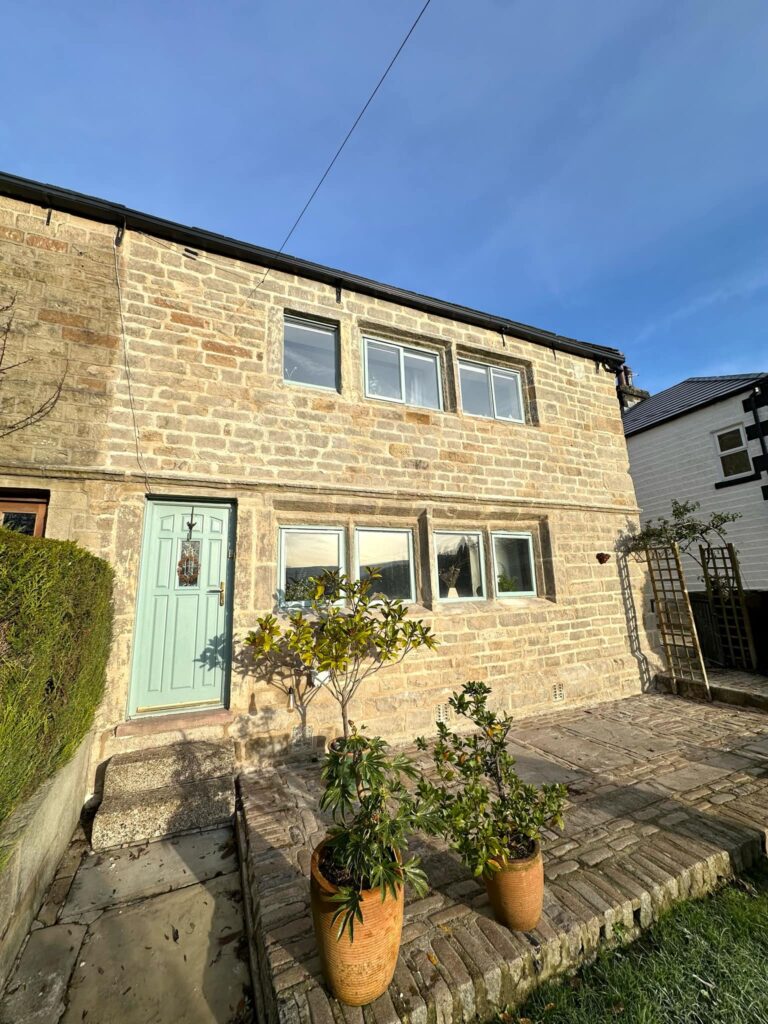
Understanding Lime Repointing
Lime repointing is a crucial aspect of masonry restoration that involves the careful replacement of deteriorating mortar joints in brick or stone structures, particularly those constructed with traditional materials. This process helps to maintain the integrity of the building, enhance its visual appeal, and prolong its lifespan. At the core of lime repointing lies an understanding of lime mortar, which differentiates itself significantly from modern cement-based mortars.
Unlike cement mortars that can be rigid and impermeable, lime mortars are designed to be more flexible and breathable. This flexibility allows the structure to withstand natural movements caused by settling and temperature changes without suffering damage. The breathability of lime also plays a vital role in moisture management, as it permits trapped moisture within the walls to evaporate, reducing the risk of mold or deterioration.
The materials employed in lime repointing primarily consist of lime, water, and aggregate. Historical practices have utilized different types of lime, including hydraulic lime and non-hydraulic lime, depending on the specifics of the task and environmental considerations. Hydraulic lime hardens through a chemical process when mixed with water, making it suitable for areas exposed to moisture. Conversely, non-hydraulic lime requires air to cure, making it advantageous for dry environments and heritage structures.
The historical significance of lime pointing cannot be overstated. Many older buildings, particularly those constructed before the advent of modern cement, utilized lime mortar due to its availability and beneficial properties. By employing lime repointing techniques on these structures, restoration efforts can effectively preserve their architectural integrity and cultural heritage. Consequently, using lime mortar not only enhances the aesthetic aspects of masonry but also supports the overall longevity and stability of our cherished historical landmarks.
Benefits of Lime Repointing
Lime repointing is a technique used to repair and restore the mortar joints in brick and stone structures. This method offers numerous benefits for both historical and modern buildings, making it a consideration for any property owner looking to maintain the integrity of their structure. One of the primary advantages of lime repointing lies in its breathability. Unlike modern cement-based mortars, which can trap moisture within the walls, lime mortar allows for the free passage of moisture. This quality significantly reduces the risk of dampness, helping to prevent conditions that can lead to structural damage over time.
In addition to its breathability, lime repointing is characterized by its flexibility. Buildings naturally settle and move, and lime mortar can accommodate these movements without cracking. This flexibility helps maintain the integrity of the masonry, ensuring that the structure remains sound and visually appealing for years to come. Moreover, lime mortar has a similar thermal expansion rate to that of the original masonry materials, creating compatibility that is crucial for older buildings. Such compatibility helps preserve the original aesthetics of the property while preventing further wear and damage.
Furthermore, lime repointing can enhance the aesthetic appeal of a building, especially when dealing with historical architecture. The use of traditional lime mortar not only maintains the structure’s architectural integrity but also contributes to its heritage value. Property owners looking to increase their property’s value should consider lime repointing as an investment. By restoring the original features and improving the overall appearance, lime repointing plays a significant role in both preserving history and enhancing market appeal, making it a beneficial choice for any building owner.
Identifying the Need for Lime Repointing
Recognizing the signs that indicate a building may require lime repointing is crucial for maintaining the integrity of masonry structures. One of the most apparent visual cues is the presence of cracked or crumbling mortar. This deterioration can occur due to various reasons, including weather exposure and the natural aging of materials. If mortar joints appear uneven, eroded, or have noticeable gaps, it is likely that the building is in need of repointing. Careful observation is essential, as ignoring these signs can lead to more significant issues over time.
Furthermore, moisture problems such as rising damp can also signal the need for lime repointing. Water intrusion can weaken the mortar and lead to deterioration of the underlying brick or stone. Property owners should be vigilant for signs of moisture, including peeling paint, mold growth, or discoloration on walls, as these can indicate underlying issues requiring immediate attention. The implications of neglecting repointing are severe; deterioration can lead to structural weakness, leading to expensive repairs or even compromise the building’s safety.
To assess masonry, property owners can perform a visual inspection, looking for the aforementioned signs of deterioration. When evaluating the condition of mortar joints, using a simple tool, such as a screwdriver, can help determine the depth of the damage—if the mortar crumbles easily, it is likely time for repointing. In situations where significant damage is suspected, it is advisable to consult with professionals experienced in masonry restoration. They possess the expertise to not only identify issues but also recommend appropriate solutions, ensuring that the longevity of the structure is upheld through proper maintenance practices.
Choosing a Professional for Lime Repointing
When it comes to lime repointing, hiring a qualified professional is critical to achieving the desired results while ensuring the integrity of your historical building is preserved. Repointing is a skill that relies on traditional masonry techniques and an understanding of how historical materials, such as lime mortar, interact with various substrates. Thus, selecting a contractor who specializes in this area is essential.
Firstly, assess the contractor’s experience with lime repointing and traditional masonry. Look for professionals who have a proven track record of working on similar types of projects, particularly those involving historic structures. This experience is vital because it involves specialized knowledge of techniques that differ from modern methods, which may not be compatible with older buildings. Additionally, inquire about their familiarity with local building regulations that pertain to historical restoration; adherence to these laws is essential to maintain the building’s integrity.
Moreover, it is important to ask potential contractors relevant questions to gauge their expertise. Inquire about the materials they intend to use for repointing, as using appropriate lime-based products is crucial for long-term durability and compatibility with the existing structure. Additionally, discussing their approach to the work process, including how they intend to remove old mortar and apply new mortar, can provide insight into their level of craftsmanship.
Lastly, understand what to expect throughout the repointing process. A reputable contractor will provide a clear timeline, outline the steps involved, and communicate any potential challenges. By ensuring that the chosen professional adheres to traditional practices and uses suitable materials, you contribute to the long-term preservation and aesthetic appearance of your historic building.
Four chimneys across three houses
Introduction to the Restoration Project
The restoration of the four chimneys, located across three heritage houses, highlights the critical importance of preserving historical architecture and maintaining our cultural heritage. These chimneys are not merely functional features; they are key markers of the architectural style and craftsmanship of their time. As custodians of our built history, it is vital to safeguard such structures so future generations can appreciate the artistry and historical narratives they represent.
This project was launched with the aim of restoring the chimneys to their original condition, while ensuring both architectural integrity and historical accuracy. The scope of the work included extensive research to understand original construction techniques, materials, and design features. A thorough assessment of each chimney was undertaken, revealing various challenges. Years of exposure to the elements, erosion, and neglect necessitated a careful and considered restoration strategy.
The obstacles encountered underscored the importance of meticulous planning and skilled craftsmanship. The project team—comprising specialists in heritage architecture—faced technical difficulties such as limited access and the fragile condition of the existing structures. These challenges highlighted the need for best practices in heritage conservation and close collaboration between architects, conservationists, and skilled tradespeople. The goal was not only to restore the chimneys but to breathe new life into the stories they embody, encouraging a deeper appreciation for heritage preservation.
Detailed Restoration Process
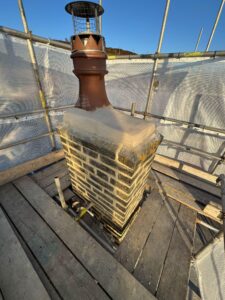
The restoration of heritage chimneys is a precise and considered process, balancing the preservation of historical authenticity with the need for structural soundness. The first step involves the careful removal of defective flaunching, which, if left unaddressed, can lead to water ingress and further damage. As flaunching serves to protect chimney pots, its removal must be undertaken with particular attention to the surrounding structure to avoid causing additional harm.
Once the flawed flaunching has been removed, the chimney pots are securely supported and realigned. This not only prevents potential hazards but also ensures that the chimney retains its aesthetic and functional integrity. Skilled hands are essential at this stage to guarantee that the pots are correctly positioned, facilitating effective water run-off.
The next phase involves installing new flaunching. This is formed into a single, cohesive unit designed to be both durable and weather-resistant. Care is taken to use high-quality, historically appropriate materials to preserve the authenticity of the restoration. The new flaunching safeguards against moisture ingress and prolongs the life of the chimney.
An integral part of the process also includes addressing damaged stonework and inappropriate cementitious pointing. The removal of cement-based materials must be executed with precision, and replaced using lime mortar—a preferred choice in heritage restoration due to its flexibility and breathability. These qualities allow the structure to respond to environmental changes without cracking. Traditional techniques are employed throughout the rebuilding and repointing phases, showcasing the expertise required for a lasting and respectful restoration. Each stage of the work reflects a commitment to quality craftsmanship, ensuring the chimneys endure as both functional structures and historical artefacts.

Scaffolding and Its Importance in Chimney Renovation
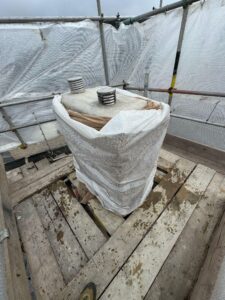
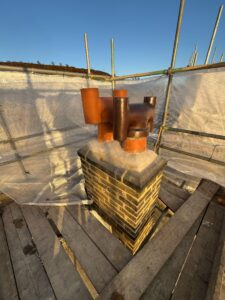
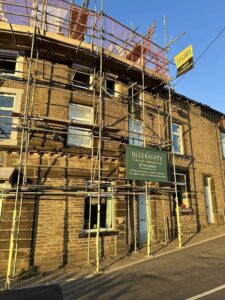
Scaffolding plays a crucial role in the restoration of heritage chimneys, offering both access and safety. Individual scaffolding for each chimney is essential, providing a stable working platform at various heights and allowing the restoration team to reach all necessary areas without compromising safety or the structural integrity of the building.
Erecting and dismantling scaffolding must be carried out by trained professionals to ensure compliance with safety regulations and to minimise risk. The scaffolding must be tailored to the specific demands of each chimney, taking into account weight distribution, height, and site accessibility. Failure to address these considerations could endanger workers or damage the structure itself.
Additional logistical planning is required once chimney works are completed, particularly concerning roof repairs. Restoring a heritage chimney often requires the surrounding roof area to be inspected and potentially repaired. Close coordination between contractors and scaffolders ensures that scaffolding remains in place until all associated work is complete. By prioritising the role of scaffolding, the project not only achieves its restoration objectives but also protects the historical value of these important architectural elements.
Outcome and Team Efforts
The successful restoration of the heritage chimneys stands as a testament to the dedication, teamwork, and expertise of all involved. The team overcame numerous challenges—ranging from difficult weather conditions to deteriorating materials—demonstrating both technical proficiency and a strong spirit of collaboration.
Through a well-coordinated approach, the team was able to adjust to unforeseen circumstances and maintain the high standards required for heritage restoration. For example, during periods of poor weather, work schedules were adapted and protective measures put in place to safeguard both the workers and the structures. This level of adaptability was essential to maintaining the quality and continuity of the restoration process.
The outcome is both visually striking and structurally sound. The chimneys now reflect their original design and craftsmanship, enhancing the overall character of the heritage properties. The use of traditional materials and techniques has ensured historical accuracy while improving long-term durability. As a result, these restored chimneys not only preserve the integrity of the buildings but also strengthen public appreciation for our architectural heritage.
Ultimately, the project represents a collective commitment to preserving the past for future generations. The pride and satisfaction taken in overcoming the restoration’s challenges is matched only by the value it brings to our shared cultural legacy.
About Us
We are DJ. Geraghty Construction & Maintenance, a local family run business in the Calder Valley, dedicated to delivering high-quality construction services with exceptional customer care. We specialise in traditional roofing of heritage and listed buildings, heritage renovations and conversions, and modern new builds and extensions. Experience the DJ. Geraghty difference – where craftsmanship meets excellence.
Follow Us
Find Us
Unit B1, Tenterfields Business Park, Luddenden Foot Hebden Bridge, HX2 6EQ
© Copyright 2026 - DJ. Geraghty Construction & Maintenance